The Ins and Outs of ADU Construction Materials: What Works Best Aug 15, 2026
To begin, let’s address the importance of selecting the best materials. From foundational elements to the final finishing touches, each component of an ADU requires careful consideration. High-quality materials enhance structural integrity and reduce maintenance requirements, ultimately extending the lifespan of the dwelling. Furthermore, materials that promote energy efficiency can significantly lower utility costs, particularly in regions with extreme temperatures.
A popular material for ADU construction is timber. Known for its versatility and ease of use, timber remains a favorite for framing and other structural aspects. It offers excellent insulation properties and manages moisture effectively, which is crucial in avoiding mold and structural issues. Additionally, timber provides a warm, natural aesthetic that blends well with many architectural styles.
On the other hand, concrete is another robust option, especially for foundations. Its strength and durability make it ideal for providing a solid base that can withstand natural elements. Furthermore, concrete walls can enhance soundproofing, ensuring a quiet and private living space. For those seeking sustainable options, bamboo is an emerging favorite due to its rapid growth and renewability. Its strength-to-weight ratio is comparable to steel, making it an eco-friendly yet resilient material.
Insulation is a key factor in ADU construction, as it regulates indoor temperatures and enhances comfort throughout the year. Fiberglass is traditionally used due to its affordability and effectiveness. However, spray foam insulation is gaining traction for its superior sealing properties that prevent air leaks and maintain consistent indoor environments. For environmentally conscious homeowners, cellulose insulation, made from recycled paper products, offers a green alternative without compromising performance.
When it comes to exterior cladding, options such as vinyl, metal, and wood siding each bring distinct benefits. Vinyl is low-maintenance and resistant to many elements, including insects and rot. Metal siding offers extraordinary durability and is fire-resistant, making it an excellent choice for areas prone to wildfires. Wood siding, while requiring more maintenance, provides unmatched aesthetic appeal and a natural look that many homeowners desire.
Finally, the choice of roofing material can play a significant role in the comfort and efficiency of an ADU. Asphalt shingles are cost-effective and widely used, offering a range of color and style options. Metal roofing, though higher in initial cost, provides exceptional longevity and energy savings due to its reflective properties.
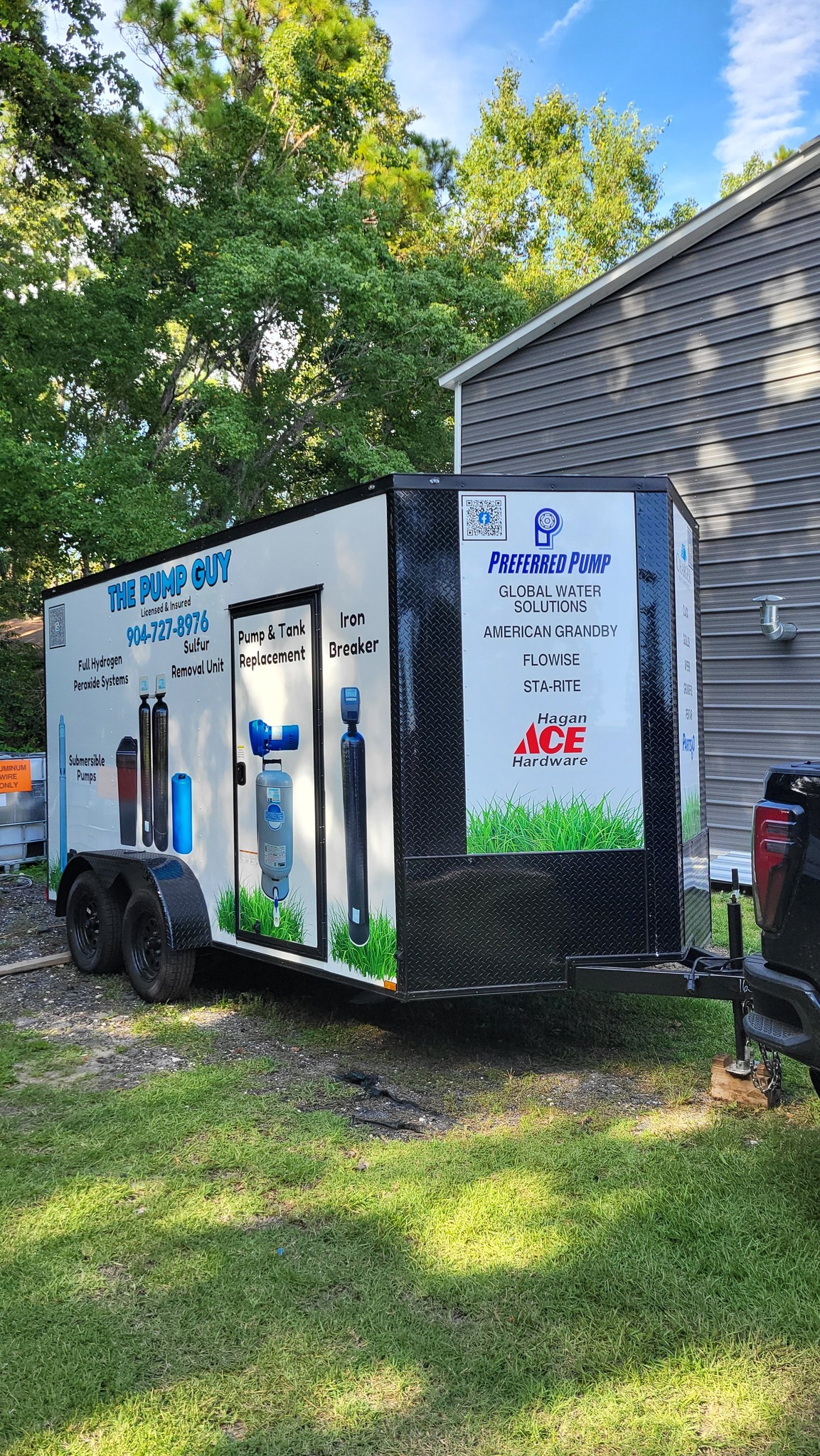
In conclusion, the success of an ADU hinges on selecting the right construction materials that balance durability, cost, sustainability, and aesthetics. At The Pump Guy, we pride ourselves on helping our clients navigate these choices, ensuring their accessory dwelling units are not only functional and beautiful but also built to last. By understanding the specific demands of your project and the materials available, you can create an ADU that not only enhances your living space but also adds significant value to your property. Whether you prioritize sustainability, affordability, or design, there are materials that will meet your needs and elevate the scope of your project.
/filters:no_upscale()/filters:format(webp)/media/KANG3V8XA0WOUVLCY6S4QIYYF9NLT2H5ZGNCPZ16.jpeg)