The Cost-Benefit Analysis of Building an Accessory Dwelling Unit Dec 07, 2025
Building an ADU involves upfront costs, which can vary significantly based on design preferences, local regulations, and construction materials. On average, constructing an ADU can range from $100,000 to $250,000. While this might seem like a hefty investment, consider the myriad benefits. First and foremost, rental income from an ADU can create a new revenue stream. Whether you choose to long-term lease or list it on short-term rental platforms, this supplemental income can significantly offset the initial construction costs. Some homeowners find that rental earnings cover their investment in just a few years.
Beyond the financial returns, ADUs provide a flexible living space. As families evolve, space needs change. An ADU can comfortably house elderly parents who wish to maintain independence while being close to loved ones, or provide a private space for grown children not quite ready to leave home. Furthermore, having a separate guest space can enhance your home's appeal if friends and family frequently visit. In an era where multigenerational living is becoming commonplace, these units offer a practical solution without sacrificing privacy or comfort.
Another critical angle to consider is the impact on property value. While every real estate market varies, many homeowners notice a considerable increase in property value after adding an ADU. Potential buyers often see these units as a valuable addition, amplifying the attractiveness of properties with this feature. An ADU can also offer tax benefits. Depending on local laws, you may qualify for tax deductions related to home equity loans used for the construction.
Investing in an ADU is about more than just dollars and cents. Environmental sustainability is increasingly influencing housing decisions. ADUs often have a smaller footprint than traditional homes, which means they consume fewer resources, both during construction and operation. High-efficiency appliances, solar panels, and sustainable building materials can further minimize their environmental impact, appealing to eco-conscious renters and homeowners alike.
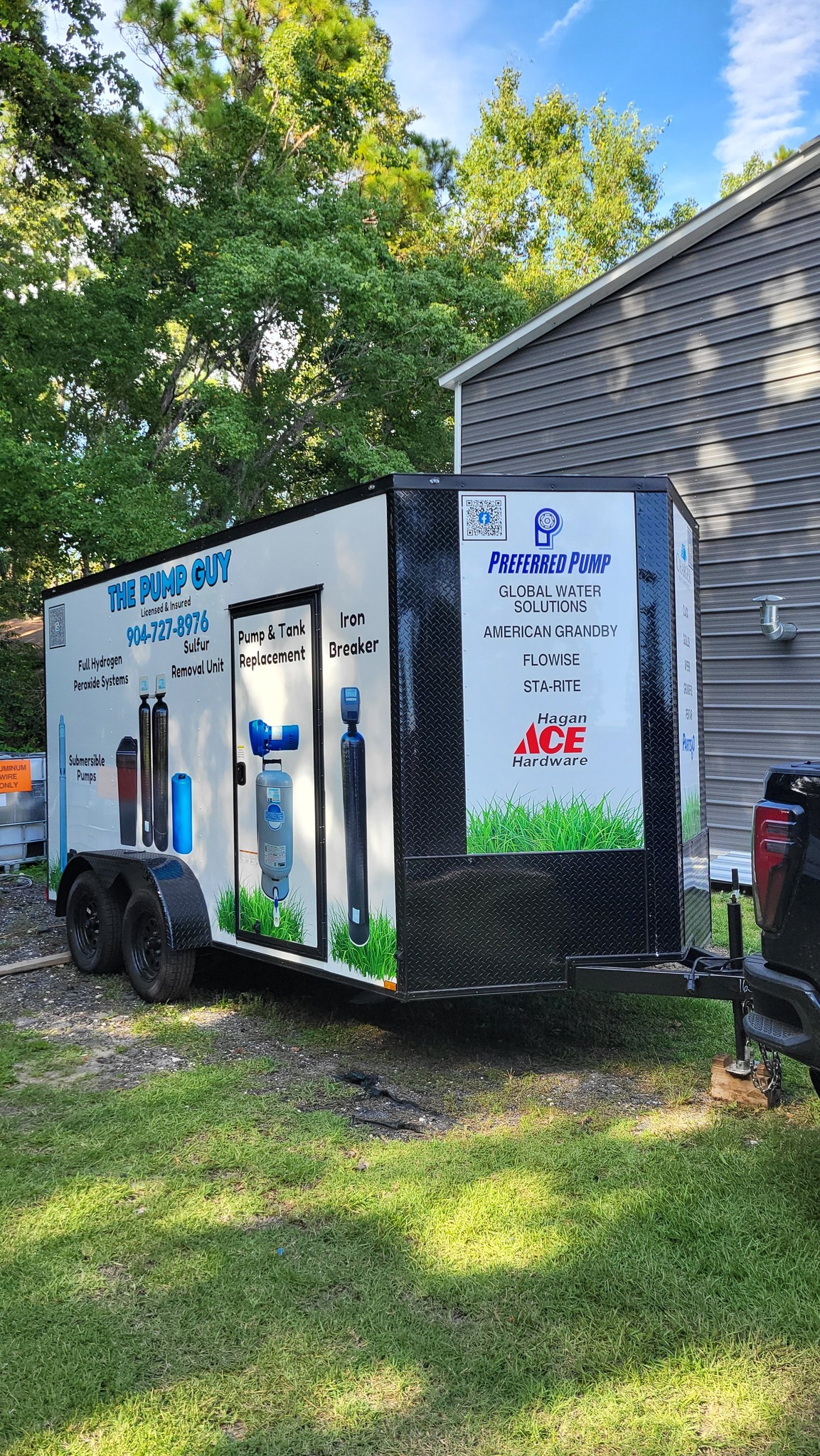
However, before embarking on the ADU construction journey, it’s crucial to navigate regulatory landscapes which can affect scale and scope. Zoning laws, size restrictions, and permitting processes vary by locality and can significantly impact your project. Companies like The Pump Guy are invaluable resources, not only for constructing ADUs efficiently but also for guiding homeowners through the regulatory maze with expert knowledge and experience.
In conclusion, while the upfront cost of building an Accessory Dwelling Unit may seem daunting, the long-term benefits—financial and otherwise—make them a compelling option for homeowners. From providing a consistent income stream to enhancing living flexibility and boosting property value, ADUs present an attractive proposition. By working with experienced partners like The Pump Guy, you can ensure a smooth construction process, allowing you to enjoy all the advantages that come with this modern, adaptable housing solution. As you evaluate your options, remember that a well-built ADU is not just an extension of your property but a meaningful investment in your future.
/filters:no_upscale()/filters:format(webp)/media/KANG3V8XA0WOUVLCY6S4QIYYF9NLT2H5ZGNCPZ16.jpeg)