Step-by-Step Guide to Navigate ADU Building Regulations and Permits Jan 09, 2026
The first crucial step is understanding what an ADU is and the broad standards that govern them. An accessory dwelling unit is a secondary housing unit located on a lot with a principal residence. These can be detached, attached, or even conversions of existing spaces. Local zoning laws often provide specific guidelines regarding size, height limitations, and setback requirements. Therefore, you must familiarize yourself with your city or municipality's ADU regulations.
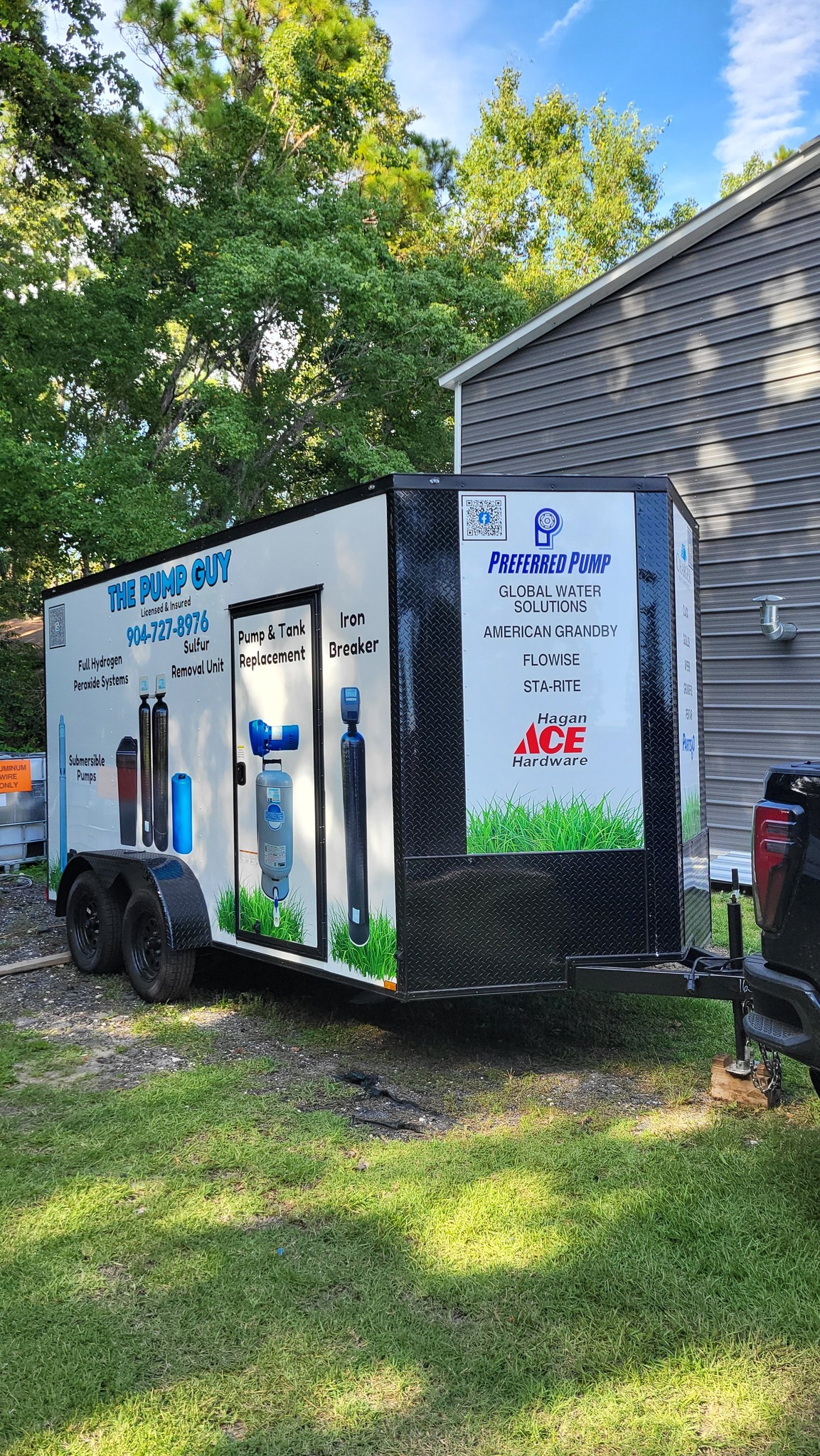
Once you've grasped the basics, the next stage involves in-depth research into local building codes and zoning laws. These regulations can vary significantly even within short geographic distances. For instance, some cities may limit the size of an ADU to a percentage of the main house, while others might have specific architectural design requirements. The Pump Guy, your trusted ADU construction service provider, recommends checking with your local planning department’s website or visiting their office to obtain the most accurate and current information.
After gathering the relevant information, you need to develop a preliminary ADU design. A well-thought-out design should align with local zoning laws while detailing the functional spaces you desire. At this stage, consulting with professionals such as architects or specialized ADU builders like The Pump Guy can ensure the design adheres to all regulations. Expert input can also introduce innovative solutions that maximize space and functionality without violating local codes.
With a compliant design in hand, the next step is applying for the necessary permits. This typically involves submitting your plans to the local planning or building department for review. It's crucial to include all the required documents, such as site plans, design schematics, and any environmental assessments if needed. Be prepared for a review process that might involve several iterations of modifications and clarifications until approval is granted. This phase can be time-consuming, so patience and persistence are key.
Once you have secured the necessary permits, it's time to start construction. At this juncture, hiring experienced builders like The Pump Guy can make a significant difference. A knowledgeable construction team can navigate the practicalities of the build, ensuring everything progresses smoothly from breaking ground to final inspections.
Finally, after construction is completed, a final inspection by the local building department will be required. This inspection ensures that all work complies with the approved plans and building codes. It's a necessary step to legally occupy your new ADU. Once the final inspection is passed, your ADU is ready for use, marking the successful completion of your project.
In conclusion, building an ADU involves navigating a complex landscape of regulations and permits. By understanding local laws, creating compliant designs, and working with experienced professionals, you can streamline the process and avoid common pitfalls. Remember, preparation is vital, and so is leveraging the expertise of seasoned professionals like The Pump Guy, who can guide you through the intricate journey of ADU construction. This approach not only simplifies the process but also ensures a rewarding outcome that enhances your living space and property value.
/filters:no_upscale()/filters:format(webp)/media/KANG3V8XA0WOUVLCY6S4QIYYF9NLT2H5ZGNCPZ16.jpeg)