Energy Efficiency Tips for Your New Accessory Dwelling Unit Feb 09, 2026
Understanding energy efficiency begins with the design stage of your ADU. It's crucial to plan for natural lighting. Large, strategically placed windows can maximize sunlight, reducing the need for artificial lighting during the day. Consider installing skylights if possible, as these can brighten up spaces that receive less direct sunlight. Moreover, using light-colored materials for walls, ceilings, and floors can reflect light, enhancing the natural brightness of the space.
Energy-efficient appliances are another critical component. When selecting appliances for your ADU, look for Energy Star certified products. These appliances are designed to use less electricity and water, without sacrificing performance. This includes everything from refrigerators to air conditioning units. Energy-efficient appliances might have a higher initial cost, but the reduction in energy bills will cover this over time.
Insulation plays a pivotal role in maintaining the temperature within your ADU, reducing the need for excessive heating and cooling. Proper insulation in walls, ceilings, and floors ensures that the indoor temperature remains stable. Materials such as fiberglass, spray foam, or cellulose are excellent choices. Additionally, paying attention to sealing gaps around windows and doors can prevent air leaks that lead to energy loss.
The choice of lighting fixtures and bulbs is another area where energy efficiency can be improved. Opt for LED lighting, which uses significantly less electricity than traditional incandescent bulbs and has a longer lifespan. Motion sensor lighting for less frequently used spaces, like closets or outdoor areas, can also help minimize excessive energy use.
Heating and cooling systems require careful consideration to ensure energy efficiency. Mini-split systems can be an excellent choice for ADUs as they provide both heating and cooling without the need for ductwork, thus minimizing energy loss. Programmable thermostats can further enhance the efficiency of these systems by allowing you to set the temperature according to your schedule, ensuring that energy is not wasted heating or cooling an unoccupied space.
Solar panel installation, although a larger investment, is an effective way to power your ADU sustainably. By harnessing solar energy, you can significantly decrease reliance on conventional power sources and possibly even produce excess energy that can be fed back into the grid. Many government incentives are available for solar panel installation, which can help offset the initial costs.
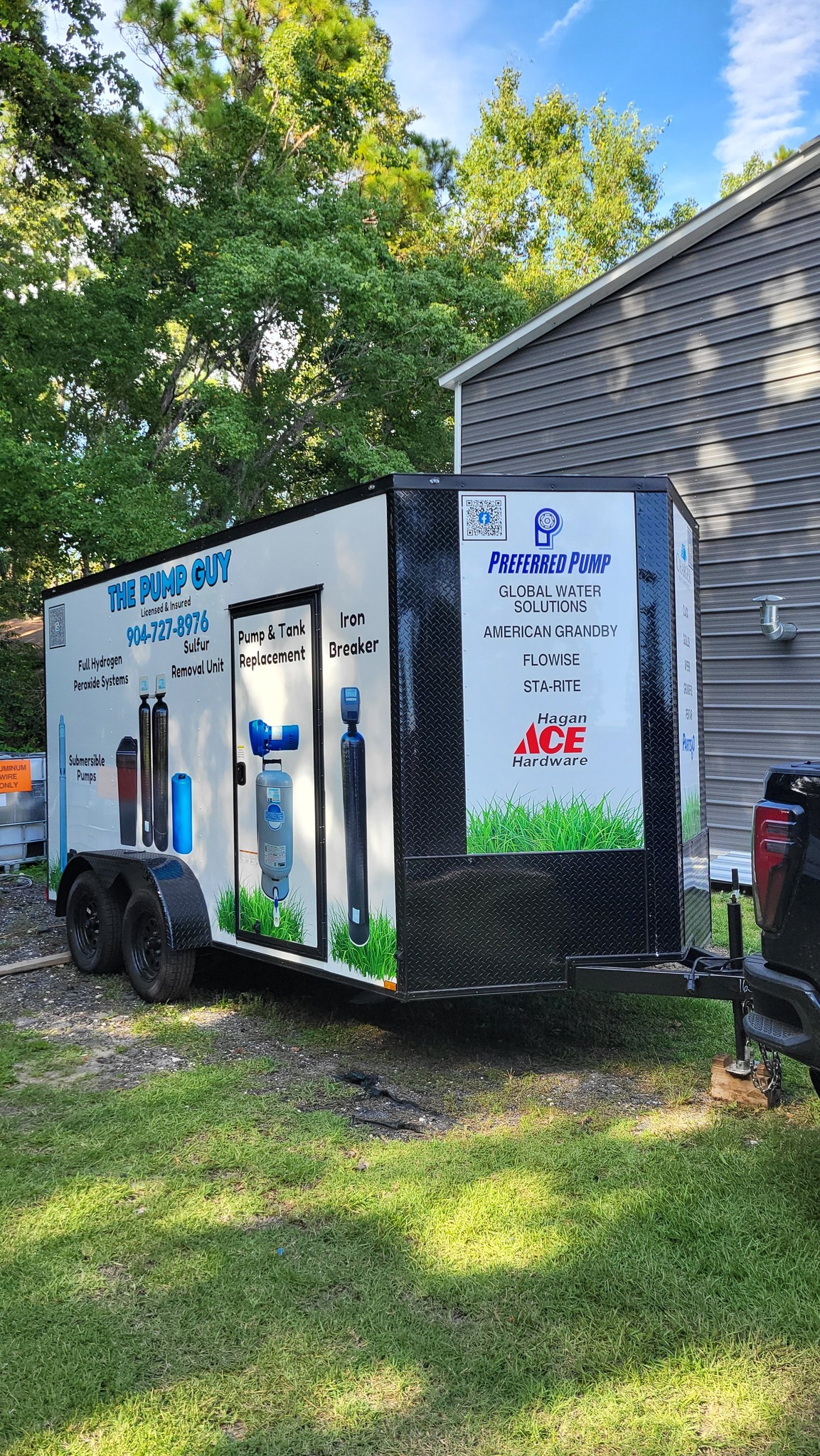
In conclusion, creating an energy-efficient accessory dwelling unit with The Pump Guy's expertise is a rewarding process that requires careful planning and consideration of the materials and systems installed. By incorporating energy-efficient designs, appliances, and solutions into your ADU, you are making a significant commitment towards reducing energy consumption and contributing to a sustainable future. With thoughtful choices, not only will you enjoy a comfortable living space, but you will also reduce your environmental impact, making every square foot of your ADU a testament to thoughtful living.
/filters:no_upscale()/filters:format(webp)/media/KANG3V8XA0WOUVLCY6S4QIYYF9NLT2H5ZGNCPZ16.jpeg)