Breaking Ground: Essential Steps for Preparing Your ADU Construction Site Mar 13, 2026
First and foremost, thorough site assessment is crucial. Before any construction begins, evaluate the location where your ADU will be built. Consider factors such as access to utilities, drainage, and overall topography of the land. It’s also essential to ensure that the chosen site complies with local zoning laws and building codes. Engage with a professional to conduct a survey and confirm any legal restrictions or necessary permits. By doing this, you’ll prevent potential legal hurdles and delays down the line.
Once the site assessment is complete, create a detailed site plan. This plan should outline the position of the ADU relative to existing structures, any necessary modifications to existing landscapes, and how utilities will be integrated. A comprehensive site plan helps visualize the project, ensuring that nothing is left to chance. At this stage, consulting with a trained architect or contractor can provide additional insights, particularly with complex site layouts.
After a robust plan is in place, it’s time to prepare the ground physically. Site preparation begins with clearing the land of any obstacles. Remove debris, trees, or any existing structures that might interfere with the new build. Earth-moving equipment might be necessary, depending on the extent of the work required. It’s crucial to perform this step with precision to avoid disturbing the natural ecosystem more than necessary.
With the site clear, addressing the foundation is next. Every sturdy ADU relies on a solid foundation. Different soil types and slopes will dictate whether a slab, crawlspace, or pier foundation is ideal. Properly assessing the ground’s condition determines the best foundation type, which is why hiring an engineer for soil tests can be advantageous. A well-laid foundation provides lasting structural integrity, protecting your investment.
Simultaneously, plan for utility connections. Determine how electricity, water, and sewer lines will connect to the main building. This step is crucial as it requires coordination with utility companies and sometimes, additional permits. Laying out these connections early prevents future disruptions and allows for seamless integration once construction commences.
As the groundwork progresses, think about site access. Construction equipment, materials delivery, and workforce access need well-planned logistics. Ensure that the site can accommodate large vehicles and that there are no barriers to efficient movement. Additionally, maintaining a clean and organized site keeps operations smooth and mitigates safety hazards.
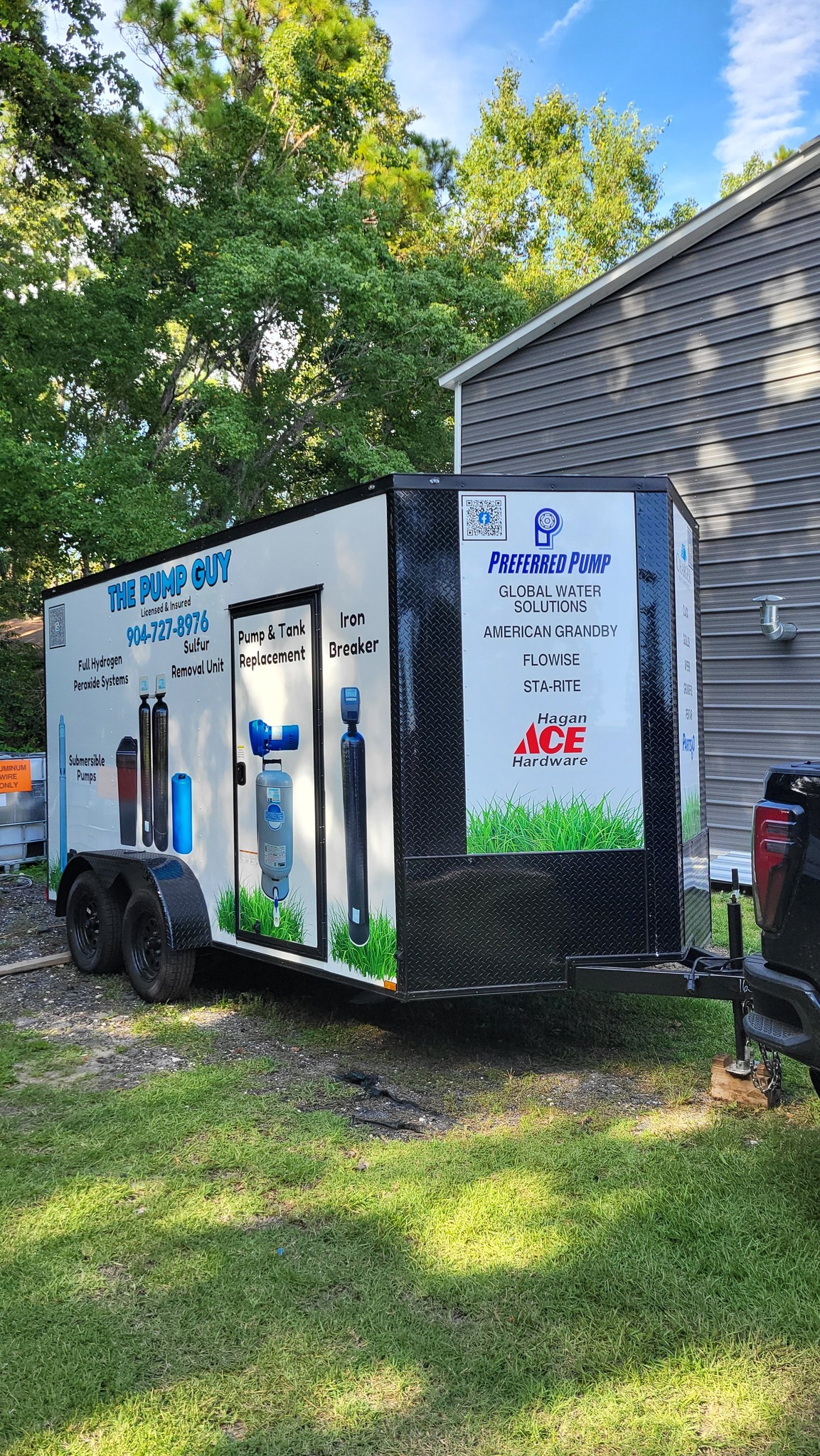
In conclusion, breaking ground on your ADU involves several critical steps before construction can begin. From site assessment and planning to ground preparation and utility coordination, each stage plays a role in ensuring a successful build. Partnering with professionals, like those at The Pump Guy, guarantees that your ADU project is handled with expertise and a commitment to excellence. By following these essential steps, you'll be on your way to creating a beautiful, functional addition to your property, enriching your living space and boosting your home’s value.
/filters:no_upscale()/filters:format(webp)/media/KANG3V8XA0WOUVLCY6S4QIYYF9NLT2H5ZGNCPZ16.jpeg)